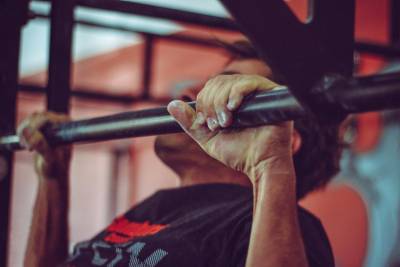
For a lot of people, outdoor workouts bring back one very specific memory: standing under a rusty pull-up bar in PE class, pretending you weren’t about to fail the assignment while the athletic kid knocked out twelve reps like it was nothing. If that’s your last proper encounter with a pull-up bar, no wonder the idea of training outside now feels a bit… sharp around the edges.
The good part? Adult outdoor training has almost nothing in common with those awkward school sessions. There’s no grading, no stopwatch, no circle of classmates watching your elbows shake. Street workouts work precisely because you can enter them at the “I can hang for three seconds before my spirit leaves my body” level and still make progress.
Step one is simply showing up
Forget sets, forget reps — at first they don’t matter. Your only job is to get comfortable in the space. Go to a park or a small workout corner and just exist there for a few minutes. Walk around, shake your arms out, lean against a low bar, do a couple of very light push-ups on a bench.
This does something important: it kills that weird, old “everyone is watching me” feeling that comes from school PE. Once your brain sees you’re not being judged, the whole place becomes a lot less dramatic.
Think of it as managing gravity, not proving strength
The biggest mistake beginners make is trying the hardest version of every exercise — the strict pull-up, the full dip, the perfect push-up. These are advanced moves, even if Instagram makes them look like warm-ups. Most adults who haven’t trained in years can’t do them cleanly, and that’s normal.
Outdoor training becomes much more friendly when you switch to the question: “Okay, how do I make this movement lighter?”
- Incline push-ups on a bench instead of the floor.
- Australian pull-ups (rows) on a waist-high bar instead of full pull-ups.
- Half-squats or simple step-ups instead of anything acrobatic.
- A few seconds of passive hanging to wake up your grip.
These aren’t “easy beginner versions.” They’re just different rungs on the same ladder — and everyone climbs it at their own speed.
Short sessions are your best friend
Another PE-style misconception: thinking a workout only “counts” if it’s long and exhausting. Outdoors, shorter sessions tend to work far better. People often try to recreate an imaginary fitness montage during the first week — then spend the next three days walking downstairs like they’re made of glass.
Start with 15–20 minutes. Truly. A few inclined push-ups, a couple of slow rows, some step-ups, a bit of hanging. If you end the session feeling like you could do more, you’re doing it right — because now you’re far more likely to come back tomorrow.
The secret superpower: your grip
If you haven’t grabbed a pull-up bar since school, your grip will disappear almost instantly. That doesn’t mean you’re weak — it means your hands simply haven’t dealt with this demand in years. Grip strength is the quickest way to upgrade your whole outdoor routine.
A simple, realistic progression:
- Week 1: 3–5 second hangs, a few repeats.
- Week 2: 6–10 seconds, maybe with a calmer breath.
- Week 3+: add tiny knee lifts or a slow side-to-side sway.
It’s small, almost silly work — yet it makes every other movement feel more controlled.
Ignore everyone else (they’re too busy with their own reps)
A huge psychological block is the fear of “looking weak” next to fitter people. But outdoor workout spots have a very predictable social rule: everyone is minding their own business. The advanced guys are deep in their routines. The beginners are focused on not slipping off the bar. Nobody memorizes what strangers do.
Once you internalize this, the whole place becomes oddly comforting instead of intimidating.
Look for the tiny wins, not the heroic ones
Progress outdoors rarely arrives in big, flashy milestones. Instead you notice quieter things:
- your hang lasts a little longer,
- your breathing stays calmer during movement,
- the bench angle for push-ups feels too easy,
- your posture fixes itself without you thinking about it.
These micro-changes add up. One month you’re doing rows on a bar at chest height; the next month you realize you’re slowly working toward your first pull-up without even planning it.
Let outdoor training blend into your day
The best way to sustain this habit is simple: make it casual. Not a performance, not a mission. Just something you do on your way home, or during lunch, or when you’re passing by the park anyway. No buildup, no psychological negotiations.
Once you stop treating it like an event, it becomes oddly enjoyable. The fresh air helps, the space helps, and even the old metal bars feel different now — familiar, but without the school pressure attached.
You don’t need to become the person who does five perfect pull-ups. You just need to be the person who shows up, experiments a little, and lets gravity meet you halfway. The rest comes quietly — and far faster than it ever did in PE class.