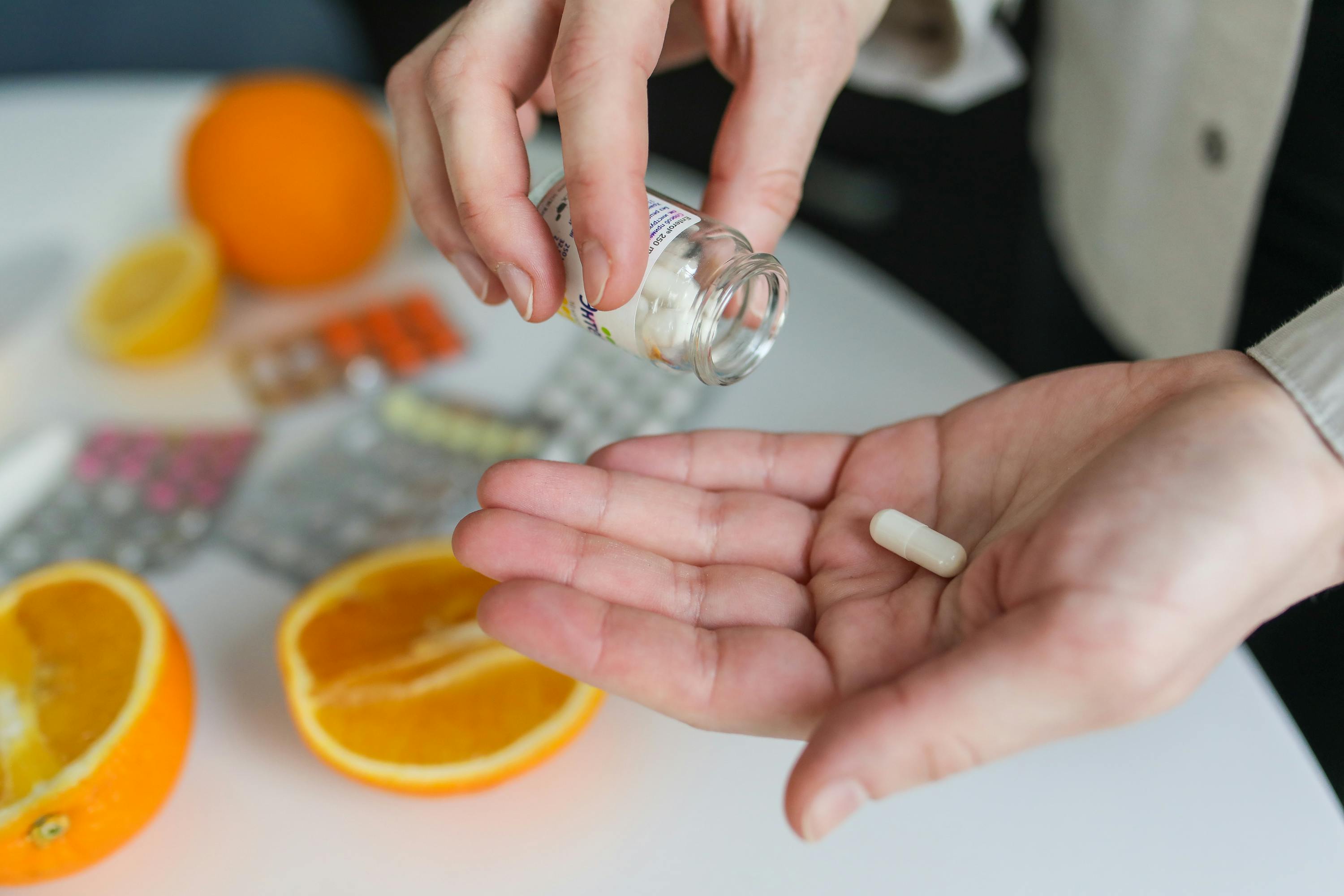
You walk into a pharmacy and half the shelves look like a grown-up version of a candy aisle — bright tubs for "energy," magnesium for sleep, omega-3 for your brain, collagen for everything else. And then there's you: you cook sometimes, order takeout sometimes, eat vegetables when you remember. Your diet isn't a disaster, but it's definitely not the pure Mediterranean fantasy influencers push. So the question keeps coming back — do you actually need supplements?
A lot of people assume yes. In reality, most reasonably healthy adults get more from everyday food than they think. Supplements aren't totally useless, but they're also not the safety net most marketing wants you to believe. There are a few clear cases where they matter, and quite a few where they quietly cause problems.
Why nutritionists keep saying "food first"
Food brings things pills can't really copy. When you eat actual meals — even boring ones — you get fiber, protein, fats, antioxidants, and dozens of compounds that never show up on a supplement label. These work together in ways a vitamin tablet can't replicate. It's like expecting one musician to play a full orchestra.
There's also something most supplement ads skip: if you're not deficient, taking extra usually doesn't do anything. A pill doesn't fix what actually drains most people — bad sleep, stress, skipped meals, living on snacks and coffee. I know someone who was convinced her fatigue was a vitamin issue. Turned out she was just sleeping four hours a night and trying to fix it with B12. Spoiler: didn't work.
So if your diet is average, you're probably not missing ten secret nutrients. A couple? Maybe. All of them at once? Almost never.
When supplements actually matter
This is where it stops being one-size-fits-all. Some situations genuinely need more than food can provide.
Pregnancy or planning pregnancy
One of the rare times where supplements aren't optional. Folic acid before and during early pregnancy is crucial — it reduces serious birth defects. Most prenatal vitamins also include iron, iodine, and vitamin D, not for wellness vibes but for real medical reasons. Food alone doesn't always supply enough at the right moments.
Vegan or near-vegan diets
Vitamin B12 is the classic problem. It mostly exists in animal foods, so long-term vegans almost always end up supplementing. Waiting for symptoms is a terrible strategy — B12 deficiency creeps up slowly, then hits hard. Depending on where you live and how much sun you get, vitamin D might also run low. Iron and iodine can be tricky too, but those vary more person to person.
Diagnosed deficiencies or absorption issues
If blood tests show you're low on something — iron, B12, vitamin D, magnesium — supplements stop being optional. Same deal for people with gut conditions, past surgeries, or medications that mess with absorption. No realistic diet compensates for that on its own.
The middle zone: vitamin D and omega-3
These two live in a weird "maybe helpful, maybe not" space. If you're in a place with little sun, vitamin D is often worth it. If you never eat fish, omega-3 from algae or fish oil might fill a real gap. But these aren't universal — more like reasonable guesses based on your life.
The part nobody likes to mention: supplements can backfire
There's a widespread belief that supplements are harmless and you can always add "just in case." That's not how bodies work, especially with fat-soluble vitamins like A, D, E, and K. They build up slowly until something goes wrong.
Too much vitamin A messes with bones and liver. Excessive vitamin D pushes calcium dangerously high. Big doses of vitamin E may increase bleeding risk. Minerals like iron, calcium, and magnesium interfere with certain medications. Herbal extracts sometimes change how your liver processes prescriptions entirely.
Then there's quality control. Supplements don't face the same testing as actual medicine. Investigations regularly find mislabeled doses, contamination, or capsules with way more — or way less — than the label says. "Natural" doesn't mean safe, and "holistic" definitely doesn't mean regulated.
So which supplements are actually low-risk?
Honestly? Fewer than you'd think. Even magnesium can be unsafe if you have kidney issues, and vitamin C wrecks your stomach if you treat it like candy. But if you're looking for things that tend to be reasonable for most people, it's usually this short list:
- A basic multivitamin with normal doses (not "mega" anything).
- Modest vitamin D if you get very little sunlight.
- B12 for vegans because food genuinely can't supply it.
These still aren't mandatory. They're just the ones that make practical sense without turning your counter into a supplement shrine.
If your diet is average, what should you do?
You don't need a perfect diet to stay healthy. A few things work better than an entire supplement routine: get most nutrients from food when you can, real meals beat pills almost every time. If you feel consistently off — fatigue, hair loss, strange cramps, low immunity — get blood tests before guessing. And if you fall into a clear-need group like pregnancy, vegan diet, or diagnosed deficiency, treat supplements as targeted tools, not lifestyle accessories.
Most supplement marketing runs on the idea that you're secretly broken and only one specific capsule can fix it. For most people with a normal, imperfect diet, that's just not true. Your body usually wants sleep, vegetables, protein, and a slightly calmer schedule — not a monthly subscription box.
A practical rule: the more a supplement promises to fix at once — mood, weight, hormones, skin, brain, energy — the less you should trust it. Real nutrients don't multitask like that.