You hear “microbiome” everywhere now. Magic reset, miracle drink, “fix your gut, fix your life.” Meanwhile you just want to know whether this zoo of bacteria actually changes how you feel or if it’s mostly a convenient way to sell powders in shiny tubs.
The short version? Yes, it matters — but not in the “eat one yogurt and drop ten kilos” sense. It’s more like the background settings on your body: how easily you gain weight, how steady or jumpy your mood feels, how inflamed everything is. And most of that depends on very boring things like fiber, sleep, and not living on ultra-processed snacks.
So what even is the microbiome, without lab-coat language?
Your microbiome is basically a huge community of bacteria, fungi, and viruses that live on and in you. The biggest crowd is in your gut, especially your large intestine. If you counted them, they’d be roughly as numerous as your own human cells — a whole parallel version of you.
They’re not just sitting around. They chew through foods you can’t digest, produce vitamins, compete with nastier microbes, and constantly “chat” with your immune system. Think of your gut as a noisy city: different species living side by side, small arguments, small deals. When the city runs smoothly, you barely notice it. When it doesn’t, you feel it in strange ways — bloating for no reason, brain fog, random fatigue.
When these microbes eat fiber, they ferment it and release small compounds your body actually uses. Not the prettiest image, but those molecules calm inflammation, support the gut lining, and send signals that reach your brain and metabolism. That’s why the same lunch can hit differently depending on how balanced things are down there.
How this gut “city” influences weight, mood, and energy
Weight and appetite: no magic bug, just the whole crowd
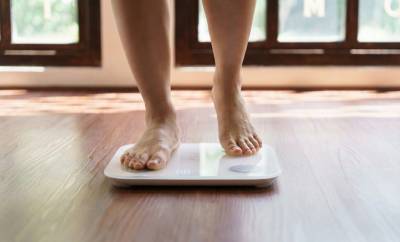
People love the idea of a single “bad bacteria that makes you fat.” Real life is wider and messier. Studies mostly show that people with obesity tend to have lower microbial diversity and a different mix of species. In some experiments, moving gut microbes from a heavier individual to a leaner one made the leaner one store more fat on the same diet.
It doesn’t cancel calories, but it can slightly shift how your body extracts energy, handles blood sugar, and signals fullness. When I tried to increase my fiber and cut back on ultra-processed snacks, nothing dramatic happened, but I stopped getting those late-night sugar crashes. That tracks with what researchers observe — small but real changes.
Mood and brain: that gut–brain line people keep talking about
Your gut and brain talk to each other through nerves, hormones, and immune messengers. You’ve probably felt it before a stressful event — that tight, unsettled stomach. Microbes are part of that loop. Their byproducts can influence stress response, sleep, and that dull, foggy feeling.
Some studies show consistent links between gut imbalances and anxiety or depression patterns. In animals, altering the microbiome sometimes makes them more anxious or calmer. In humans the effect is softer, but many people do feel a difference. A friend of mine who works in a clinic says patients with more plants, fewer ultra-processed foods, and some fermented stuff often report “feeling steadier,” even when nothing else changes. It’s not therapy, but it’s another lever.
Immunity, inflammation, and that tired-but-wired feeling
Most of your immune system lives right next to your gut. It constantly scans what passes by and learns from it. If your microbes are chronically irritated — too little fiber, lots of processed food, repeated antibiotics, poor sleep — your immune system can drift into a low-level irritation mode.
This doesn’t always become a clear illness. More often it feels like a mix of vague things: bloating, achiness, being exhausted but unable to actually rest. When people bump up their fiber and add a bit of fermented food, markers of inflammation often drop and gut diversity improves. Anecdotally, they say something like, “I don’t feel like I’m fighting myself as much.” Not magic, but it’s something.
What genuinely helps (and what mostly helps influencers)
Patterns beat superfoods every time
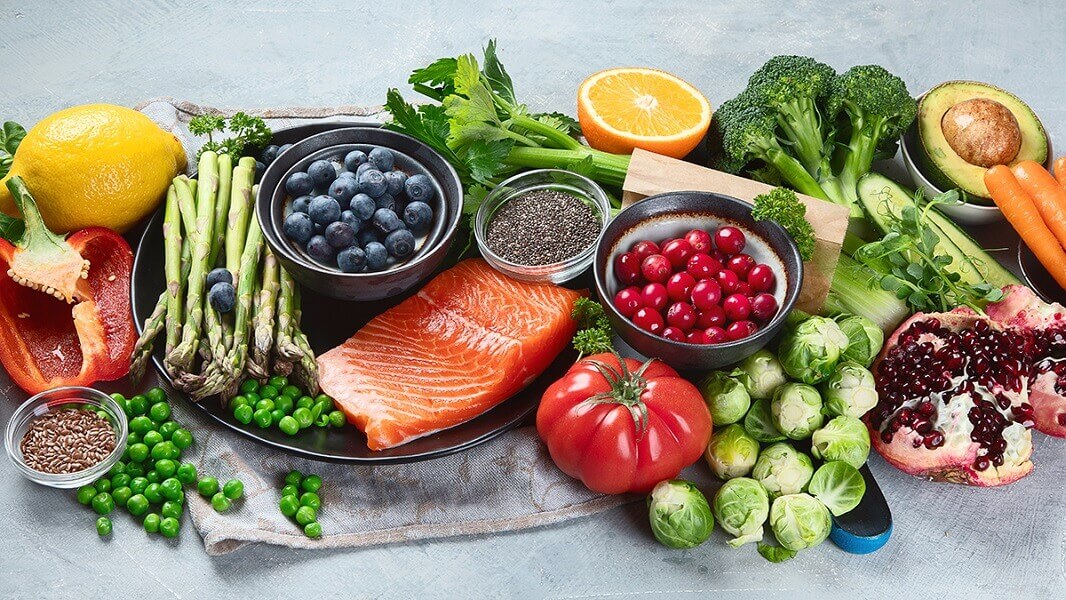
Your microbes don’t care about a single perfect smoothie. They notice what you do most days. Diets that resemble a relaxed Mediterranean pattern — plenty of plants, beans, whole grains, fruit, some nuts, olive oil, not too much ultra-processed stuff — consistently show better microbiome diversity and better outcomes overall.
If you want something practical, not “be perfect forever,” a few habits already take you far:
- More plants, and more variety — not just lettuce. Beans, lentils, oats, apples, carrots, whatever you actually enjoy.
- A small daily dose of fermented food: yogurt with live cultures, kefir, kimchi, sauerkraut, miso. I added a glass of kefir after dinner for a week and digestion got noticeably calmer. Nothing dramatic, just less noise.
- Basic maintenance: better sleep, some movement, and a way to handle stress that isn’t doomscrolling at 1 a.m.
Most adults fall short of even 25–30 grams of fiber a day. When you inch that number up, the first changes show up in digestion long before anything happens on the scale.
Probiotics, prebiotics, and other “extras”
Probiotic pills are like sending a small tourist group into a city of millions. Some strains work for specific problems (like antibiotic-related issues), but the generic “20-strain super blend” isn’t guaranteed to do much. For most people, oats, beans, and vegetables do far more.
Prebiotic powders can help too, but they’re better as a slow addition. Go from zero to three scoops a day and you’ll probably just end up bloated and annoyed. Starting with real foods — bananas, onions, garlic, whole grains — is a safer baseline.
As for microbiome test kits: fun if you’re curious, but not essential. They can show which species live in your gut, but we still don’t have a universal “perfect microbiome” to compare you to. Most reports end up saying some version of “eat more fiber,” which you already know.
YouTube and the microbiome: lots of panic, some useful bits
A surprising amount of microbiome content online exists mainly to scare you into buying supplements. “Your gut is leaking!” “These 3 foods destroy your microbiome!” — if a video makes you suddenly terrified of bread, fruit, and tap water at the same time, it’s probably not about health.
There are good sources too. They talk about adding plants, getting enough sleep, and being cautious with antibiotics — the kind of slow, practical advice that actually matches what we see in research. They don’t claim that yogurt cures depression or that kombucha fixes your soul over the weekend.
My own rule: if I finish a video feeling like I need six powders and a special test to be a functioning human, I close it. If I leave thinking, “Alright, more beans, earlier bedtime, less junk — doable,” it’s probably reasonable.
So does your microbiome matter? Yes — for weight shifts, mood stability, energy levels, and that general sense of “how easy life feels today.” But it’s not a mysterious system you need a guru for. Most of what helps is painfully simple: plants, fiber, a bit of fermented stuff, decent sleep, some movement. Everything else is optional — and a lot of it is just loud marketing.