If you’ve ever moved between a gym full of machines and a simple outdoor bar, you’ve probably noticed the shift immediately. On machines, you can stack weight, look strong, hit numbers. Then you go to a bar, try a couple of bodyweight moves, and suddenly everything feels… different. Not worse, just more honest. Your shoulders wobble, your core wakes up, your grip decides its own fate. The whole thing suddenly feels like your body is talking back.
Why Calisthenics Helps You Feel Your Body Better Than Machines
If you’ve ever moved between a gym full of machines and a simple outdoor bar, you’ve probably noticed the shift immediately. On machines, you can stack weight, look strong, hit numbers. Then you go to a bar, try a couple of bodyweight moves, and suddenly everything feels… different. Not worse, just more honest. Your shoulders wobble, your core wakes up, your grip decides its own fate. The whole thing suddenly feels like your body is talking back.
That’s a big part of why people stick with calisthenics. It doesn’t just train you — it makes you aware of yourself in a way machines don’t bother with.
Machines isolate muscles; calisthenics makes everything cooperate
Machines are great for one specific job: giving you a narrow, controlled movement. The frame holds you in place, the path is fixed, the seat is comfortable. Perfect if you’re recovering from something or want to dial in one particular muscle group.
But the trade-off is simple: almost nothing else works along with it. Your stabilizers sit there half asleep while the cables do most of the “keeping things stable” part.
With calisthenics, you lose the rails — and suddenly the whole body shows up. A push-up isn’t just chest and triceps; your core is trying to keep you straight, your glutes tighten a little to prevent sagging, even your wrists negotiate the angle. It’s a whole-committee movement, not a solo performance. You actually feel the places that aren’t doing their job yet.
Your brain is paying attention the whole time
When you move your own weight around, you can’t go on autopilot. A plank makes you notice instantly when your hips drift. A set of rows on a low bar tells you whether one shoulder likes to do more work than the other. Even balancing on one leg for a moment sends a ton of sensory data up your spine.
This constant stream of micro-corrections is your proprioception waking up — your internal GPS. Machines rarely challenge it because they stabilize you by design. Bodyweight work leaves that responsibility to your brain and the hundreds of tiny muscles it commands.
That’s why people often say they suddenly “move better” after a few weeks of calisthenics, even outside workouts. The body learns to cooperate again.
Gravity doesn’t flatter you — and that’s the point
There’s something humbling and refreshing about working with nothing but your weight. Gravity doesn’t negotiate. If your form slips during a push-up, it tells you immediately. If your core shuts down for half a second in a hanging knee raise, your legs swing like a wind chime.
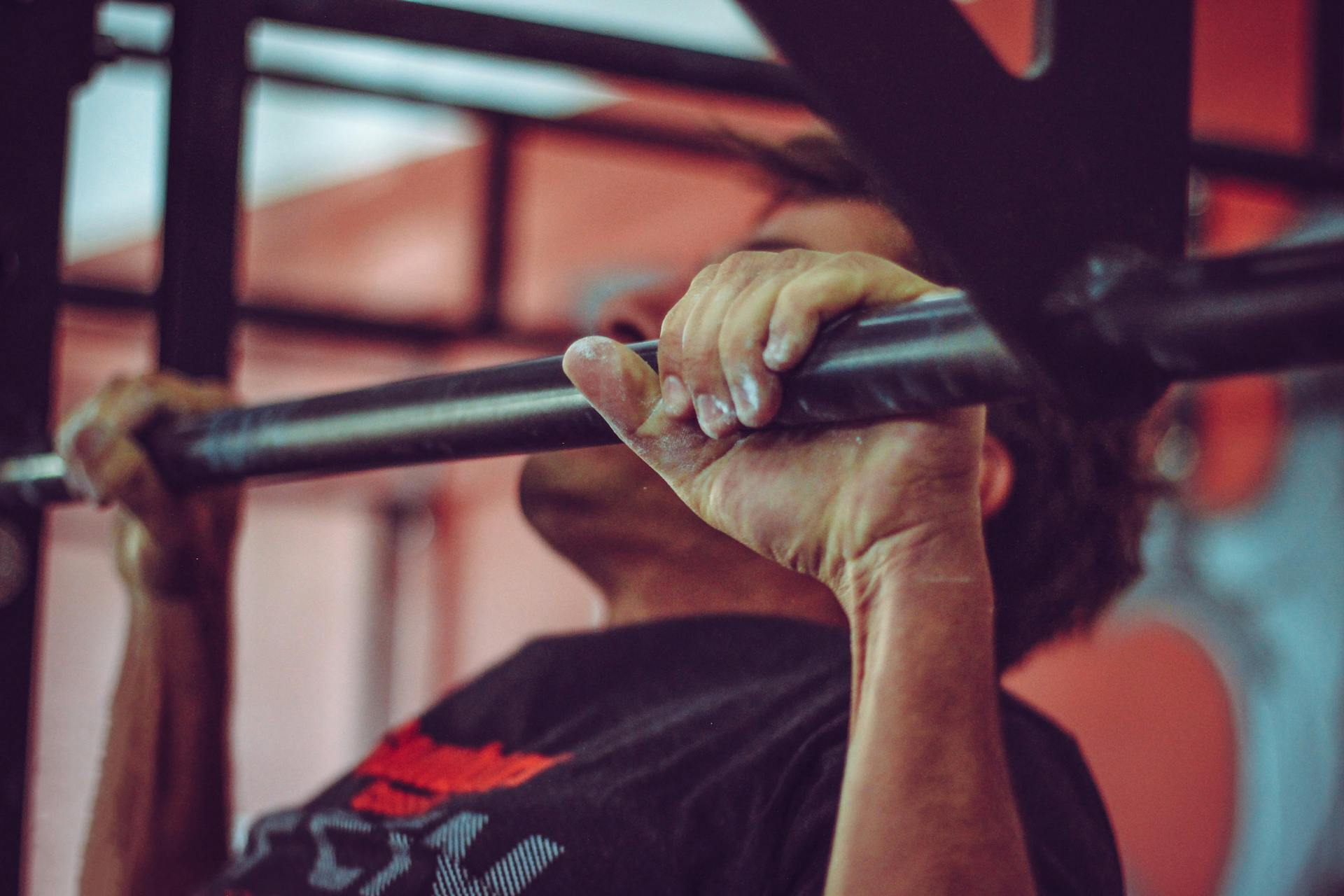
It’s blunt feedback, but extremely useful. Improvement feels more real because you feel it directly, not through numbers on a screen. Going from zero to three clean pull-ups hits differently — it’s your body lifting your body, no levers or stacks helping behind the scenes.
Calisthenics adapts to you — not the other way around
A lot of people think bodyweight training is just pull-ups and handstands. That’s the top of the tree, not the trunk. Beneath those moves are dozens of quieter variations: incline push-ups, different rows, partial hangs, step-up progressions, plank angles. You can move the difficulty up and down just by shifting your feet or hand position.
Machines force you into their predefined groove. Calisthenics lets you explore. Maybe you try a slightly wider grip; maybe you slow the tempo; maybe you find a bench at just the right height for today’s energy. You’re adjusting the movement to your body, not adjusting your body to the hardware.
You don’t just get stronger — you understand how your strength works
As you practice, something subtle happens: you notice your body more outside of training too. You carry grocery bags with better balance. Climbing stairs stops feeling like a negotiation. You stand differently without thinking about it. That’s your nervous system using the coordination it built during those “simple” movements.
Machines build muscle, sure. But calisthenics builds usable muscle — the kind that comes with awareness. The kind your body can access instantly because it’s trained through natural patterns, not fixed rails.
And maybe the biggest reason: it feels human
Hanging, pushing, climbing, balancing — these movements feel strangely familiar, almost nostalgic. They’re things you understood instinctively as a kid, long before you cared about reps or sets. When you return to them, your body remembers.
Calisthenics reconnects all the small, quiet parts of movement that machines skip. It gives you strength that you feel in your posture, your breathing, your balance, your everyday gestures.
And in the end, that’s why it’s so satisfying. It’s not just strength — it’s awareness. Not just effort — but the sense that your body is working as one piece again, instead of scattered parts held together by a training plan.