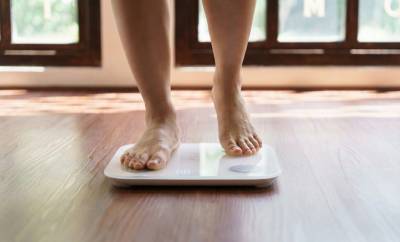
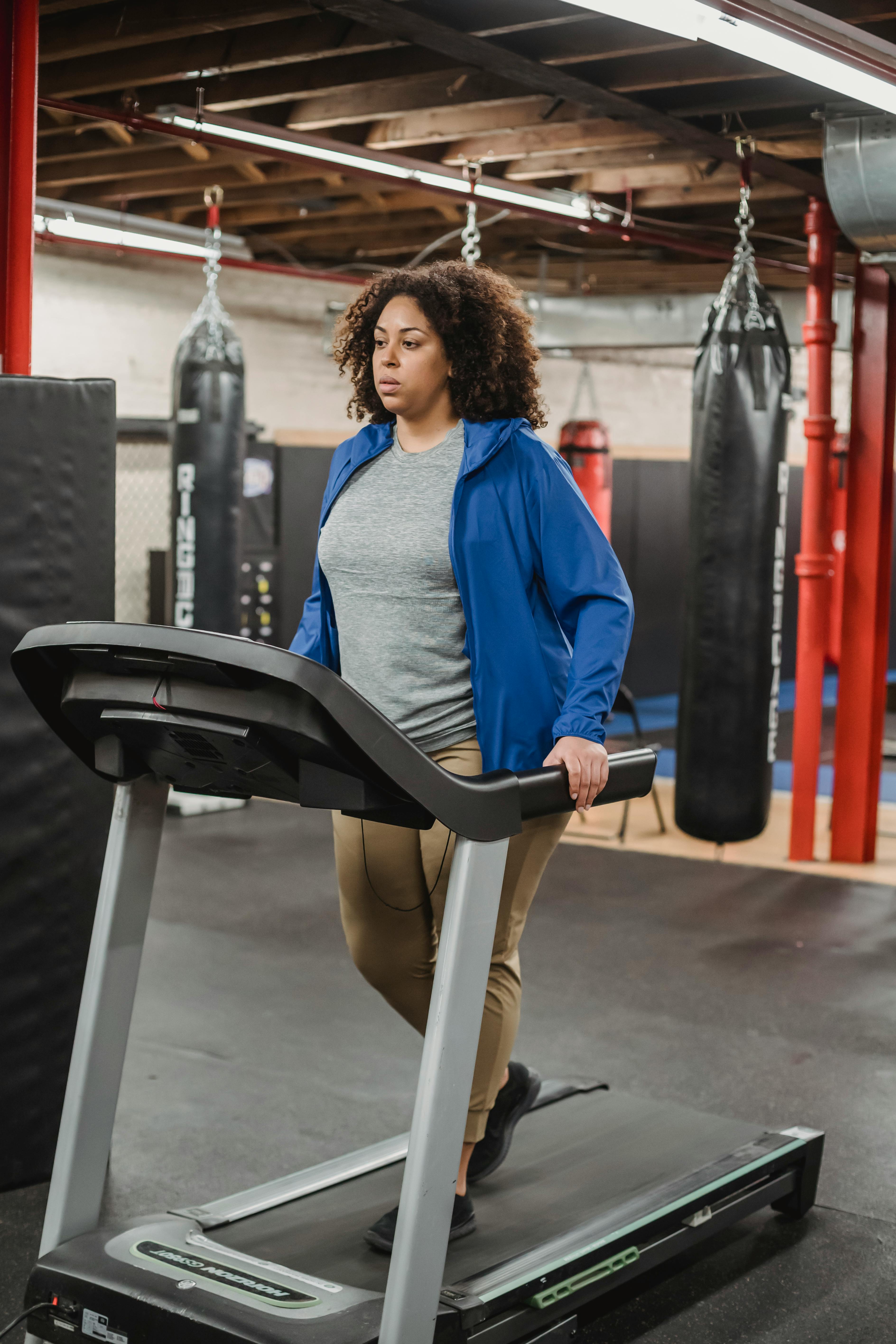
It happens all the time: you start working out — maybe running, maybe the gym, maybe those living-room workouts everyone recommends — and after a few weeks you feel a little stronger. Less stiff. Maybe even proud of yourself. Then you check the scale expecting at least a small win… and the number just sits there. Or goes up for no clear reason at all.
That’s usually the moment people think something’s wrong with them. But nothing’s wrong. The whole “exercise = weight loss” idea sounds tidy, almost mathematical, but the body reacts in ways that don’t follow that clean logic we wish it did.
The body doesn’t run on simple math
Yes, calories matter. But not in that “budget spreadsheet” way fitness ads suggest. Most workouts burn fewer calories than people assume. A tough 40-minute run might burn a few hundred — basically one enthusiastic pastry. And while you burn calories during exercise, your body sometimes quietly spends less later in the day. You move slower, sit more, fidget less. Not on purpose — it just happens.
Your total burn ends up rising a little, not dramatically. Which is why the scale often shrugs instead of celebrating with you.
Hunger always gets a vote
Another thing people underestimate: workouts make a lot of folks hungrier. Not everyone, but enough that it’s a well-known pattern. You finish training feeling virtuous, and by the evening you’re eyeing snacks you didn’t even want yesterday.
The body isn’t sabotaging you — it’s doing basic biology. Muscles worked, heart rate went up, stress hormones shifted, so appetite follows. A handful of nuts here, a slice of cheese there, a latte with sugar… none of it feels like much, but together they erase the calorie gap you created earlier.
Exercise changes things the scale can’t show
In the first weeks or months of moving more, most people gain a bit of muscle. Not in a dramatic way — just enough that their weight doesn’t fall even though they’re getting stronger. Clothes fit differently, stairs feel easier, posture changes a little.
The scale doesn’t see any of that. It only sees mass, not progress.
The water-weight confusion
After a harder or unfamiliar workout, muscles hold onto extra fluid while they recover. This can completely mask fat loss for days. You might be losing fat and not see it because your body is temporarily storing water like a sponge after rinsing dishes.
So why bother exercising if the scale won’t cooperate?
Because exercise gives you improvements that a number can’t capture: steadier blood sugar, better stress tolerance, deeper sleep, healthier joints, sharper thinking. These shifts are small at first — almost boring — but they build a foundation that makes everything else in your day feel a little easier.
Someone once said that exercise “reduces the effort of being alive.” That sounds dramatic, but it’s not far off. Regular movement makes most daily tasks feel less draining, even if your weight refuses to budge.
Weight loss mostly happens in the kitchen — stability happens in movement
This isn’t a slogan, just pattern recognition. When people lose weight, it usually comes from subtle changes in how they eat: portions, timing, emotional triggers, fewer “mindless” calories. Exercise supports that process but rarely carries it alone.
Where exercise shines is helping you keep weight off once it’s gone, or making your appetite more predictable, or preventing the ups-and-downs cycle a lot of people fall into.
You’re not failing — you’re just expecting the wrong job from the wrong tool
The idea that exercise should produce weight loss is so common that people feel like they failed if it doesn’t. But the expectation is the problem — not the person.
Movement is not punishment or a transaction. It updates your “internal software” in ways that don’t show on the home screen. If you want fat loss, it usually starts with food habits. If you want a body that feels steadier, clearer, more capable — that’s where movement does its real work.
Think of it this way: exercise improves your life even when the scale pretends nothing happened. That might actually be the healthier story.